Saudi NEOM Builds the World's Largest Coral Nursery
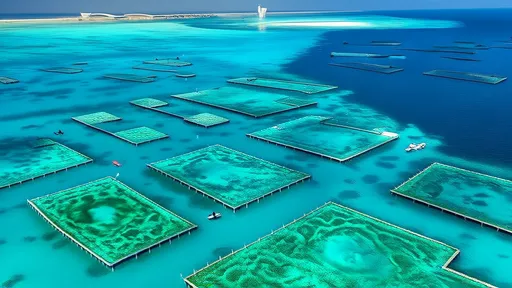
Saudi Arabia's NEOM has embarked on a breathtakingly ambitious environmental venture, announcing the development of what will become the world's largest land-based coral reef reproduction farm. This monumental project, situated along the Red Sea coast, represents a significant leap in marine conservation technology and aligns with NEOM's vision of ecological innovation. The initiative comes at a critical time when coral reefs globally face unprecedented threats from climate change, warming waters, and human activity.
The sheer scale of this undertaking is staggering. When fully operational, the facility will cover an area equivalent to hundreds of football fields, housing millions of coral fragments across carefully controlled environments. What makes this particularly groundbreaking is NEOM's integration of cutting-edge technologies—automated monitoring systems, AI-powered growth optimization, and specialized water filtration that perfectly mimics natural reef conditions. The project aims not merely to preserve existing coral species but to pioneer new methods for accelerated coral growth and resilience.
Scientists involved in the project are focusing on what they call "future-proofing" coral species. This involves selectively breeding corals that demonstrate higher tolerance to warmer temperatures and ocean acidification. The research team has already identified several native Red Sea coral species that naturally withstand higher temperatures, making them ideal candidates for this breeding program. These resilient corals could eventually help replenish damaged reefs throughout the region and beyond.
Beyond conservation, the project serves multiple strategic purposes. The Red Sea coastline where NEOM is developing boasts some of the most biologically diverse coral systems globally, yet these ecosystems remain vulnerable. By establishing this massive coral farm, NEOM aims to ensure the long-term health of marine biodiversity while supporting sustainable tourism development. Healthy reefs attract divers and marine enthusiasts, creating economic opportunities that depend on rather than exploit natural resources.
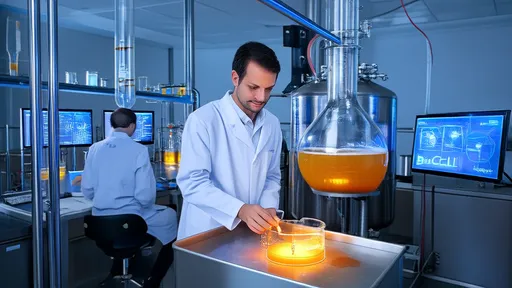
The technological innovations driving this project deserve closer examination. The facility utilizes a closed-loop system that continuously recycles and purifies seawater, maintaining perfect chemical balance while preventing contamination. Advanced LED lighting systems simulate natural sunlight patterns at different depths, encouraging optimal photosynthesis in the symbiotic algae that live within coral tissues. Perhaps most impressively, researchers have developed specialized substrates that mimic the texture and mineral composition of natural reef surfaces, giving young corals the best possible start.
What many observers find particularly compelling is NEOM's collaborative approach. The project brings together marine biologists from Saudi universities, international coral experts, and environmental engineers from around the world. This cross-pollination of knowledge accelerates innovation while ensuring the project benefits from global best practices. Regular knowledge-sharing sessions and published research findings will help conservation efforts worldwide, creating ripple effects far beyond Saudi Arabia's borders.
The timeline for this ambitious project spans several phases. Initial construction focuses on establishing the core infrastructure and nursery facilities, with the first coral fragments already being cultivated. The middle phases will scale up production capacity while refining breeding techniques, and the final phase focuses on developing large-scale transplantation methods to reintroduce corals to natural environments. Success will be measured not just by coral survival rates but by the establishment of self-sustaining reef ecosystems.
Looking toward the future, NEOM's coral ambition could transform how we approach marine conservation globally. The knowledge gained about mass coral reproduction, temperature resilience, and ecosystem restoration could provide templates for similar projects in other vulnerable marine regions. As climate change continues to threaten ocean ecosystems, such large-scale, technologically advanced conservation efforts may become increasingly crucial for preserving marine biodiversity.
This project represents more than environmental stewardship—it demonstrates how technological innovation and ecological responsibility can work hand-in-hand. NEOM's vision positions environmental conservation as integral to sustainable development rather than separate from it. The coral farm stands as a testament to what becomes possible when ambitious vision meets scientific expertise and adequate resources, offering hope for coral reefs worldwide while establishing new standards for marine conservation.