New Zealand Tests Geothermal Energy for Bitcoin Mining
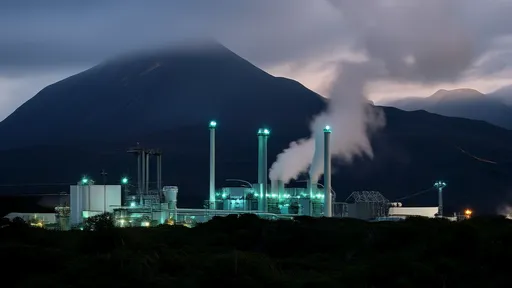
When you picture a bitcoin mining facility, what comes to mind? Probably massive, humming warehouses in cold climates, consuming enough electricity to power small countries. That image is about to be challenged. In a quiet corner of New Zealand's North Island, a groundbreaking pilot project is quietly demonstrating a radically different future for cryptocurrency. They're using the earth's own heat.
The project, located near Taupō in the Rotokawa geothermal field, is a collaboration between local energy companies and tech innovators. The core idea is elegantly simple: harness the superheated steam and brine from geothermal wells—already used to generate electricity—and divert a portion of that power to run high-performance computing servers for bitcoin mining. It’s a move that directly confronts the crypto industry's biggest public relations and environmental hurdle: its colossal energy appetite. By plugging into a renewable, baseload power source, this initiative isn't just reducing its carbon footprint; it's aiming for near-zero emissions.
Geothermal energy is a perfect match for the relentless, 24/7 demands of cryptocurrency mining. Unlike solar or wind, which are intermittent, the earth’s heat provides a constant, reliable stream of power. This solves the problem of energy wastage during off-peak hours for the geothermal plant. Instead of curtailing production, the excess electricity can be channeled to the mining rigs, creating a new, flexible revenue stream for the energy provider. It turns a potential operational inefficiency into a financial asset.
The technical setup is fascinating. The mining containers are situated close to the production wells, minimizing transmission loss. The computers themselves generate a tremendous amount of heat, which in this case, isn't seen as a waste product. Project engineers are exploring ways to repurpose this excess thermal energy, potentially for local greenhouse heating or industrial processes, creating a cascading system of energy use. This moves beyond mere carbon neutrality and into the realm of a circular energy economy.
Of course, pioneering a new model comes with its own set of hurdles. The initial capital expenditure for specialized, corrosion-resistant equipment that can withstand the hydrogen sulfide-rich environment near geothermal vents is significant. There are also complex questions about how this activity integrates with New Zealand's national grid, especially during periods of high national electricity demand. Regulators are watching closely to ensure that this new industrial load doesn't negatively impact household consumers or the stability of the power network.
Beyond the technical and economic arguments, this pilot represents a significant shift in narrative. For a country that brands itself as "100% Pure New Zealand," embracing an industry often criticized for its environmental impact is a bold statement. It demonstrates that with innovation, even sectors with heavy energy demands can align with national sustainability goals. This project is making a powerful case that the problem isn't cryptocurrency itself, but the source of the energy powering it.
The long-term implications are vast. If proven successful and scalable, this model could be exported to other geothermal-rich regions around the Pacific "Ring of Fire," from Indonesia to the Philippines and the west coast of the Americas. It presents a template for how nations with abundant geothermal resources but limited industrial bases can attract high-tech investment. This isn't just about minting digital coins; it's about minting a new, sustainable economic paradigm for the 21st century.
As the world grapples with the dual challenges of digitalization and decarbonization, the New Zealand geothermal bitcoin experiment offers a compelling glimpse of a possible synthesis. It proves that the path forward isn't necessarily about choosing between technological progress and environmental stewardship, but about finding the smart, integrated solutions that deliver both. The heat beneath our feet, it turns out, might just be the key to cooling down the heated debate around crypto's future.