Gesture Recognition Replaces Smartphone Touchscreens
You're scrolling through your phone on the subway when suddenly it slips from your sweaty palm, clattering to the floor. We've all been there—that moment of panic followed by the awkward fumble to retrieve our precious device. What if you could control your phone without ever touching the screen? What if a simple hand gesture could open apps, send messages, or play music?
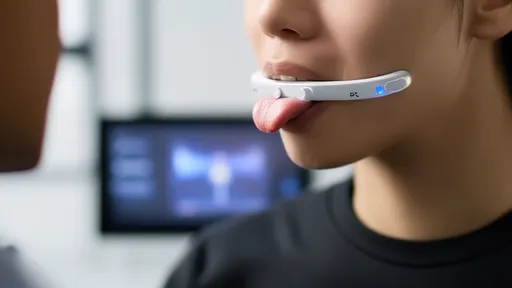
Gesture recognition technology is quietly revolutionizing how we interact with our devices. While touchscreens transformed mobile computing, they come with limitations—smudged screens, accessibility challenges for people with motor impairments, and the simple inconvenience of needing physical contact. Gesture control eliminates these barriers by using cameras and sensors to interpret hand movements as commands.
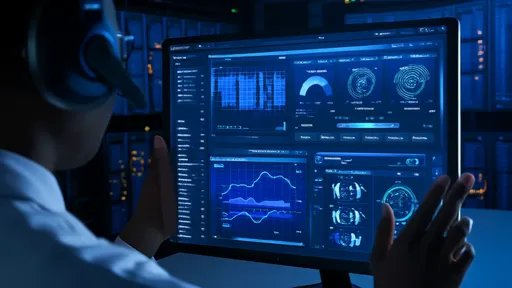
The technology works through a combination of hardware and sophisticated algorithms. Tiny infrared sensors and cameras track the precise position and movement of your hands. Machine learning algorithms then analyze these movements in real-time, matching them against a database of predefined gestures. When you make a "swipe right" motion in the air, the system recognizes the pattern and translates it into the same command as physically swiping your screen.
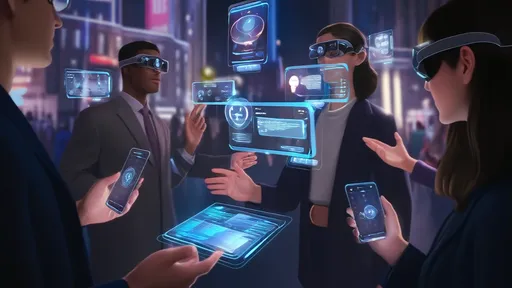
Several companies are already implementing this technology in surprising ways. Samsung's Air Gesture feature lets users scroll through webpages or answer calls with a wave of their hand. Google's Project Soli uses miniature radar to detect subtle finger movements, enabling touchless control of devices. Startups like Ultraleap are creating haptic feedback systems that make you feel like you're touching virtual buttons in mid-air.
Beyond convenience, gesture recognition addresses significant accessibility issues. For individuals with limited hand mobility or conditions like arthritis, touchscreens can be difficult or painful to use. Gesture control creates new possibilities for inclusive design—imagine someone being able to navigate their smartphone using simple head movements or eye tracking instead of precise finger taps.
The implementation isn't without challenges. Early gesture systems struggled with accuracy, often misinterpreting casual movements as commands. Battery drain was another concern—constantly running cameras and sensors consumed significant power. But recent advances in low-power sensors and edge computing have largely solved these issues. Today's systems can distinguish between intentional gestures and normal hand movements while using less than 5% additional battery.
Privacy considerations understandably come to mind when discussing camera-based controls. Manufacturers have addressed this through on-device processing—your gesture data never leaves your phone. The cameras used for gesture recognition typically capture only depth information and skeletal hand models rather than detailed images of your surroundings. It's the same privacy approach used in facial recognition systems on current smartphones.
Looking ahead, the applications extend far beyond replacing touchscreens. Imagine cooking with a recipe app while your hands are covered in flour—a simple finger point could scroll down the instructions. Or navigating GPS directions while biking without needing to physically interact with your device. The technology could eventually create entirely new interaction paradigms where our devices understand contextual gestures—like automatically silencing your phone when you put a finger to your lips.
The transition from touch to touchless won't happen overnight. Most experts predict a hybrid approach will emerge where gesture, voice, and touch controls coexist. You might tap to type a message but use gestures to quickly switch between apps or adjust volume. This flexibility allows each interaction method to shine where it works best rather than forcing one solution for every scenario.
What makes this technology particularly exciting is how naturally it aligns with human communication. We already use gestures daily to express ourselves—pointing, waving, giving thumbs-up. Translating these innate movements into digital commands feels more intuitive than learning touchscreen gestures that have no real-world equivalent. It's technology adapting to human behavior rather than humans adapting to technology.
The psychological impact of touchless interaction deserves consideration too. Removing the physical barrier between users and their devices creates a more seamless experience—your phone becomes an extension of your intentions rather than a separate object you manipulate. This could fundamentally change our relationship with technology, making it feel more integrated into our daily lives rather than something we periodically pick up and put down.
As with any emerging technology, widespread adoption will depend on standardization and education. If every manufacturer implements different gesture controls, users will face the same frustration as early remote controls with inconsistent buttons. Industry groups are already working to establish common gesture vocabularies—swipe left for back, pinch for zoom—that work across devices and applications.
The potential extends beyond smartphones to other aspects of our digital lives. Smart home devices could respond to gestures instead of voice commands in noisy environments. Automotive interfaces could become safer with gesture controls that don't require drivers to look away from the road. Even workplace technology could benefit—imagine presenting slides with hand movements rather than clicking a remote.
Gesture recognition represents more than just a new way to control devices—it's a step toward more natural, human-centered technology. As the technology matures and becomes standard in more devices, we may look back at touchscreens the way we now view physical keyboards on phones: functional but ultimately limiting. The future of interaction isn't at our fingertips—it's in the air around us.