Mexico Uses Artificial Intelligence to Protect Ancient Mayan Sites
In the dense jungles of Mexico's Yucatan Peninsula, archaeologists are fighting a race against time—and technology is becoming their most unexpected ally. Ancient Mayan sites, some still hidden beneath centuries of vegetation, face threats from climate change, urban expansion, and even looters. But now, artificial intelligence is stepping in to protect these cultural treasures in ways that were unimaginable just a decade ago.
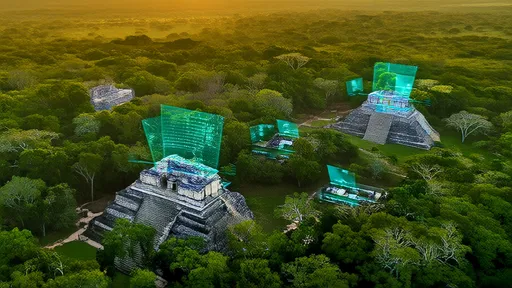
Mexico's National Institute of Anthropology and History has partnered with tech researchers to deploy machine learning algorithms that analyze satellite imagery and aerial photographs. The system scans vast stretches of jungle terrain, identifying subtle patterns that might indicate buried structures or archaeological features invisible to the naked eye. What used to take years of ground surveys and manual exploration now happens in weeks, sometimes days. The AI doesn't just spot potential sites—it helps prioritize which areas need immediate protection based on environmental risks and human activity nearby.
One remarkable application involves predictive modeling for site preservation. By feeding historical climate data and current weather patterns into neural networks, researchers can forecast how rising temperatures and changing rainfall might affect specific structures. The AI can simulate erosion patterns on ancient temples or predict which areas might flood during hurricane season. This allows conservation teams to reinforce vulnerable structures before damage occurs rather than reacting after it's too late.
The technology also tackles the persistent problem of illegal excavation. Motion sensors and camera traps placed around remote archaeological zones now connect to AI systems that can distinguish between animal movement, legitimate researchers, and potential looters. When the system detects suspicious activity patterns, it alerts authorities in real-time. At the famous Chichen Itza site, this technology has already helped prevent several nighttime intrusion attempts that might have gone unnoticed by human guards alone.
But perhaps the most fascinating development is how AI helps decipher the Maya's own written records. Machine learning algorithms trained on thousands of digitized glyphs can now recognize patterns in the complex writing system, sometimes suggesting new interpretations of damaged or incomplete texts. This doesn't replace human epigraphers but gives them powerful tools to work faster and make connections they might have missed. The technology recently helped identify previously unknown references to astronomical events in temple inscriptions at Palenque.
Of course, implementing these technologies comes with challenges. Many archaeological sites lack reliable internet connectivity, requiring creative solutions like portable AI systems that can process data on-site. There's also the delicate balance between using technology and maintaining the authentic experience of these sacred spaces. The solution has been to keep most AI infrastructure invisible to visitors while using the insights gained to improve both preservation and interpretation.
Looking forward, researchers are experimenting with even more advanced applications. Some teams are training AI on soil composition data to predict where undiscovered sites might lie based on the environmental preferences the Maya demonstrated in their known settlements. Others are using 3D modeling combined with AI to digitally reconstruct how damaged structures might have originally appeared, providing valuable insights for both research and virtual tourism.
The integration of artificial intelligence in Mayan archaeology represents more than just technological advancement—it's a new chapter in cultural preservation. As climate change accelerates and development pressures grow, these tools offer hope that we can protect ancient wisdom while still unlocking its secrets. The stones that have stood silent for centuries are finally finding their voice through the most modern of interpreters.