Dissolvable Electronic Devices to Reduce E-Waste
Imagine tossing your old smartphone into a glass of water and watching it dissolve into harmless, biodegradable components. It sounds like science fiction, but it’s the exciting reality being pioneered in labs around the world. With over 50 million metric tons of electronic waste generated globally each year—and much of it piling up in landfills or improperly recycled—the need for sustainable alternatives has never been more urgent. By the end of this article, you’ll understand how transient electronics work, the materials making this possible, and the real-world applications that could redefine our relationship with technology.
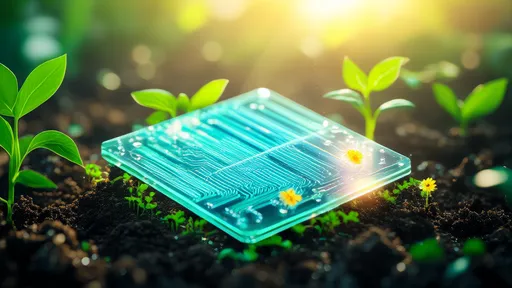
The core innovation lies in a class of materials known as transient electronics. These devices are designed to perform their function for a predetermined period before safely disintegrating. Researchers have developed polymers, metals, and even semiconductors that dissolve or degrade when exposed to specific triggers like water, heat, or light. For instance, a team at a leading university created a circuit board using a polymer that breaks down in warm water within minutes, leaving behind only non-toxic residues. This isn’t just about disposal; it’s about designing electronics with a built-in expiration date, reducing long-term environmental harm.
One of the most promising applications is in the medical field. Consider implantable medical devices, such as temporary pacemakers or drug-delivery systems. Traditionally, these require a second surgery for removal, posing risks and increasing healthcare costs. With dissolvable electronics, a device can monitor a patient’s heart rhythm or release medication over weeks, then harmlessly dissolve inside the body. Early trials have shown success in animal models, with devices made from magnesium and silicon-based materials that the body safely absorbs. This approach minimizes invasive procedures and eliminates the need for device retrieval, benefiting both patients and the environment.
Beyond healthcare, transient electronics offer potential in consumer goods and data security. Imagine disposable environmental sensors deployed in forests or oceans to monitor conditions—once their battery life ends, they dissolve without a trace. Or think of corporate devices containing sensitive information; instead of relying on physical destruction or data wiping, a dissolvable chip could be triggered to disintegrate remotely, ensuring data cannot be recovered. Companies are already prototyping single-use health trackers and secure communication modules, though widespread adoption hinges on scaling production and ensuring reliability.
Despite the promise, there are significant hurdles to overcome. Durability is a key concern; devices must remain stable during their operational life but degrade predictably afterward. Researchers are fine-tuning material compositions to balance performance and disintegration rates. For example, encapsulating components in layers that dissolve at different times can extend functionality. Cost is another barrier, as specialized materials and manufacturing processes are currently more expensive than conventional electronics. However, as techniques like 3D printing and bio-based material sourcing advance, prices are expected to drop, making dissolvable tech more accessible.
Looking ahead, the integration of dissolvable electronics into circular economy models could revolutionize sustainability. Instead of the linear "take-make-dispose" model, products could be designed for safe decomposition or recycling of valuable materials. Innovations like water-soluble substrates paired with recyclable metals allow for easier separation and reuse. Industry collaborations are exploring standardized protocols for transient device lifecycle management, which could pave the way for regulatory acceptance and consumer trust. The goal isn’t to replace all electronics but to target applications where disposability or biodegradability adds clear value.
The emotional and psychological shift toward accepting transient tech is just as important as the technical breakthroughs. In a culture accustomed to durable gadgets, the idea of "disposable electronics" might seem counterintuitive. Yet, reframing it as "purpose-built sustainability" can change perceptions. By prioritizing environmental impact and practical utility over permanence, we embrace a mindset where technology serves us without leaving a lasting footprint. This isn’t about sacrificing quality—it’s about innovating for a healthier planet.
In summary, dissolvable electronics represent a bold step toward reducing e-waste and enabling new applications in medicine, security, and beyond. While challenges remain in durability and cost, ongoing research and collaboration are accelerating progress. Start by supporting initiatives that promote sustainable tech or exploring dissolvable products as they enter the market. Every small adoption contributes to a larger movement—one where innovation and environmental responsibility go hand in hand. For deeper insights, follow updates from research institutions and sustainability forums leading the charge.