Belgium Turns Beer Waste into Battery Material
Belgium is quietly brewing up a revolution that has nothing to do with its famous Trappist ales and everything to do with powering our future. Researchers at a leading university have discovered a way to transform the vast quantities of grain waste from the beer brewing process into a high-performance, sustainable material for batteries. This isn't just a laboratory curiosity; it's a practical solution addressing two significant global challenges: the growing demand for energy storage and the pressing need to reduce industrial waste.
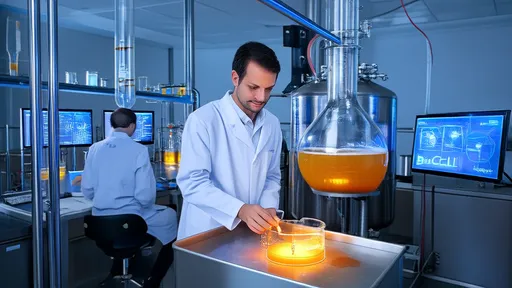
The process begins with spent grain, the residual barley and other cereals left over after the mashing process in brewing. Belgian breweries produce thousands of tons of this organic waste annually, which is often repurposed as low-value animal feed or, in worst-case scenarios, sent to landfill. Scientists developed a method to thermally treat this biomass, converting it into pure carbon. This carbon isn't the kind you find in a pencil; it's engineered to have a highly porous structure, making it an ideal component for a battery's electrodes.
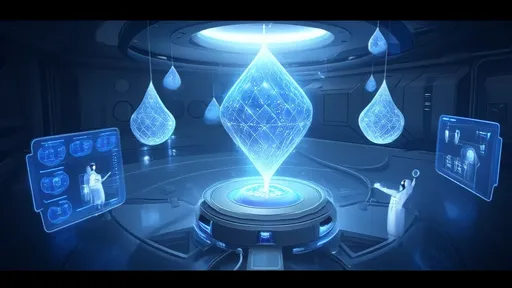
Why is this such a game-changer for energy storage? The unique, sponge-like architecture of this beer-derived carbon provides an immense surface area inside the battery. Think of it as creating a microscopic skyscraper for energy particles to live in, rather than a single-story building. This allows for a greater number of charge-carrying ions to be stored, which directly translates to batteries that can hold more power and charge significantly faster than many conventional alternatives. It's a fundamental upgrade in material science, sourced from a bar tab.
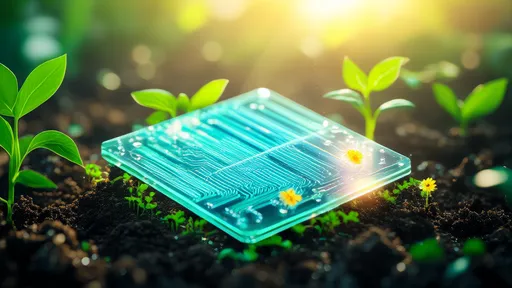
The implications for sustainability are profound. By valorizing a waste stream, this innovation closes the loop in the circular economy. The brewing industry can significantly reduce its environmental footprint, turning a cost center—waste disposal—into a valuable resource. Furthermore, these bio-batteries rely on carbon, an abundant and non-toxic material, as opposed to the conflict minerals or rare earth elements often associated with lithium-ion batteries. This offers a more ethical and environmentally benign path for our tech-dependent world.
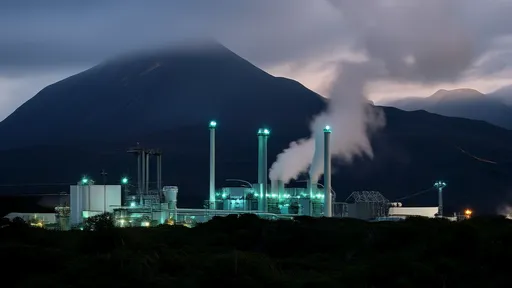
Of course, taking a technology from the lab bench to the marketplace is a challenge in itself. Scaling up production to an industrial level while maintaining the precise quality of the carbon material is the next major hurdle. Researchers are actively collaborating with engineering firms to design the systems needed for mass production. The goal isn't to replace your smartphone battery overnight, but to initially target large-scale applications like grid energy storage, where sustainability and cost-effectiveness are paramount.
This breakthrough also invites us to rethink our relationship with waste altogether. We often see byproducts as the end of a line, but the Belgian model shows they can be the starting point for something entirely new. The same principles being applied to brewing waste could potentially be adapted for other agricultural residues, from coffee grounds to rice husks, opening up a whole new frontier in green technology. It’s a powerful reminder that the solutions to our most complex problems can be found in the most unexpected places.
As this research continues to mature, the vision of a future powered, in part, by our collective enjoyment of a good beer is no longer a fantasy. It represents a tangible shift towards smarter, cleaner, and more circular systems of production and consumption. The next time you raise a glass of Belgian beer, you might just be toasting to the future of energy.